http://sergeschmid.ch/
Direkt zum Seiteninhalt

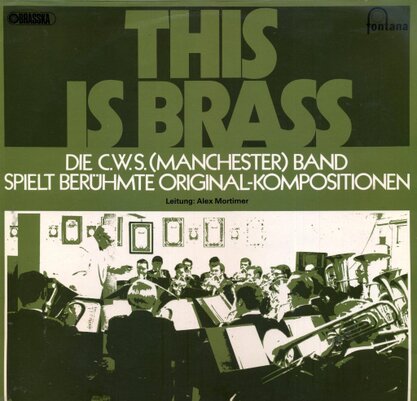
CWS Manchester Band-Alex Mortimer - Entlebucher und Emmentaler Musikarchiv

Menü überspringen
Menü überspringen
Menü überspringen

CWS Manchester Band-Alex Mortimer

Musikarchiv-Serge Schmid


Diese Schallplatten sind oder werden durch mich digitalisiert!

These vinyl records are being—or will be—digitized by me!


Schallplatte fehlt, Aufnahmen sind aber digitalisiert!
The vinyl record is missing, but the recordings have been digitized!

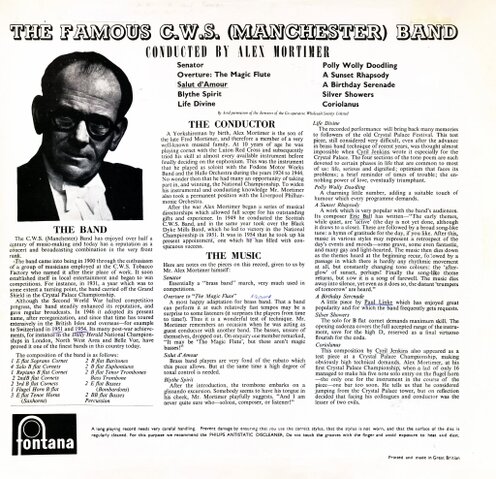
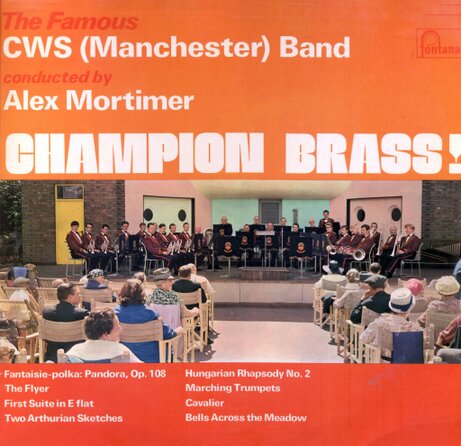
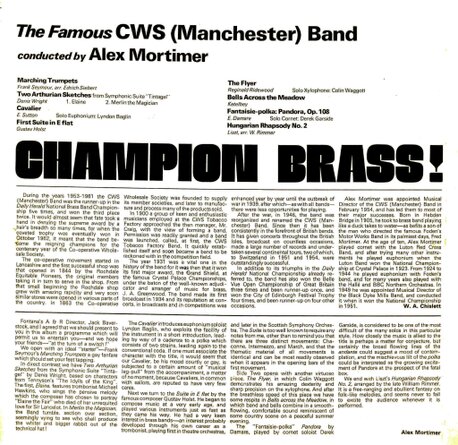
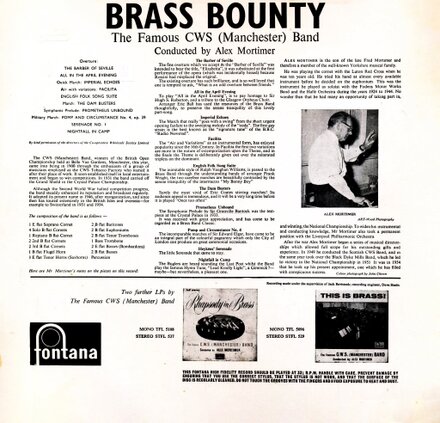
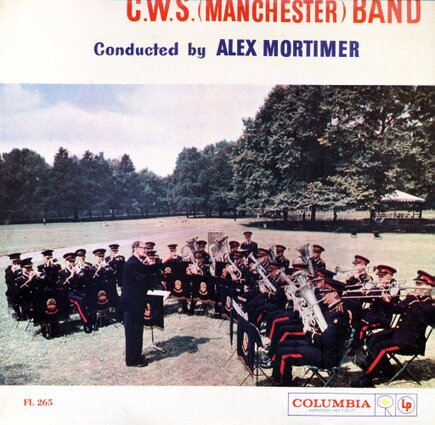
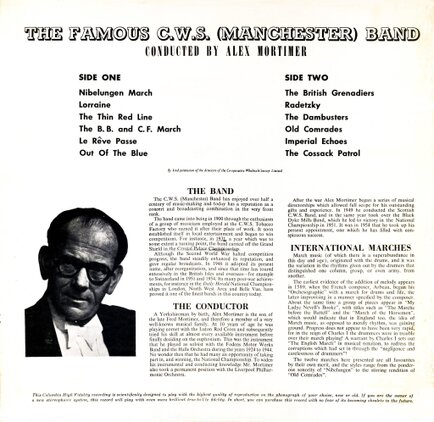
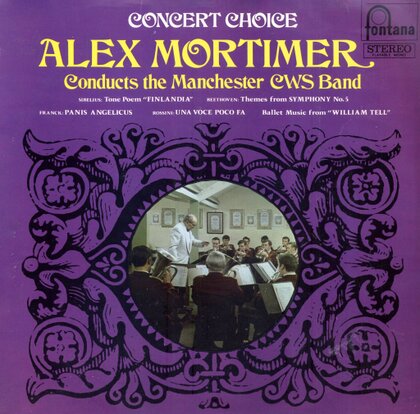
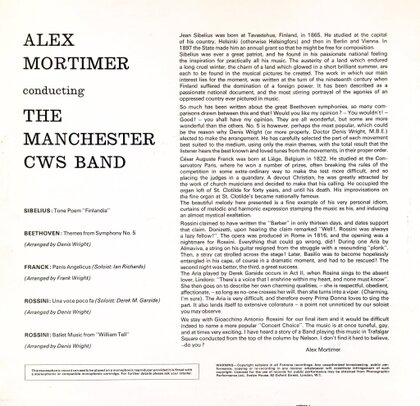
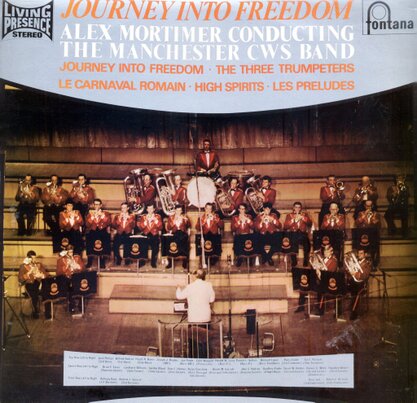
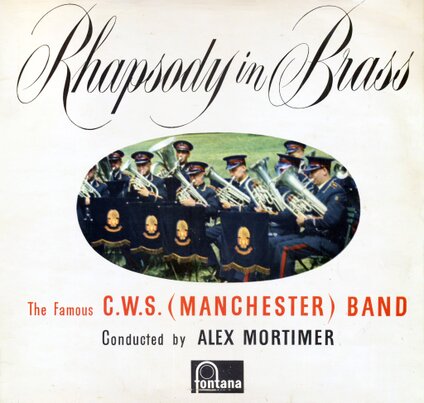
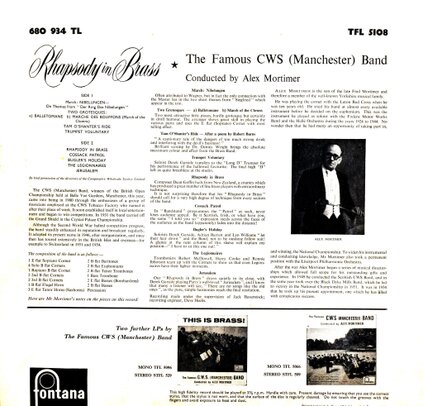
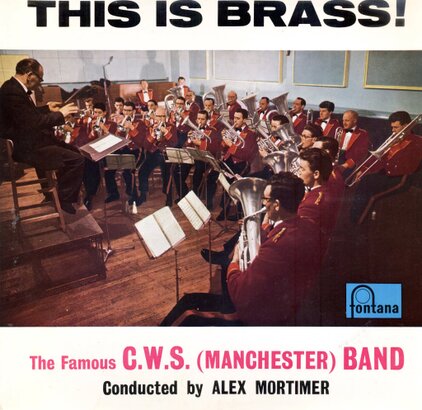
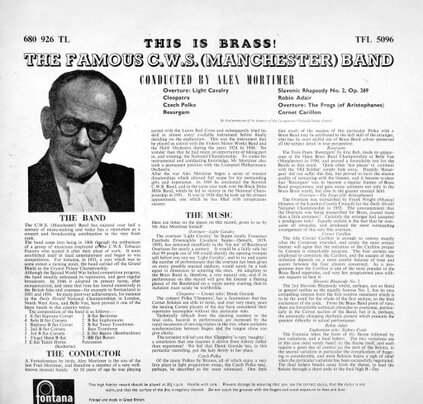
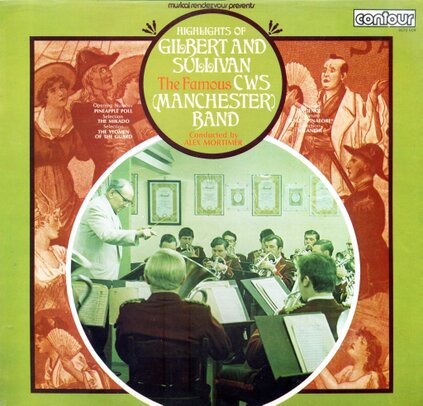
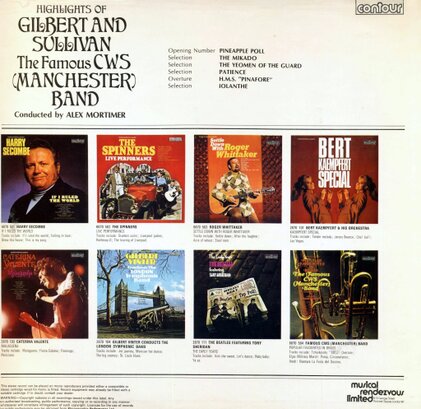
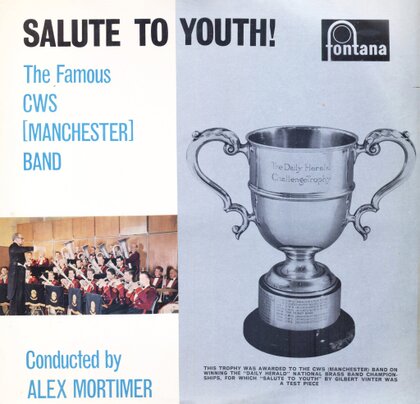
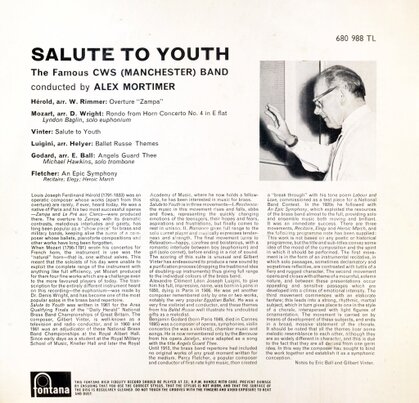
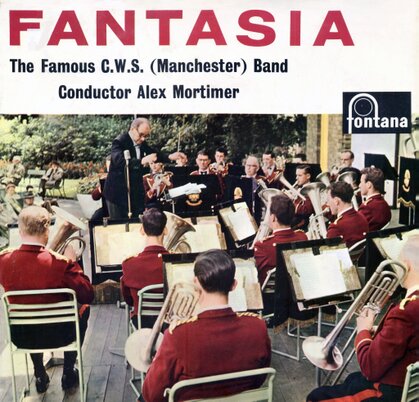
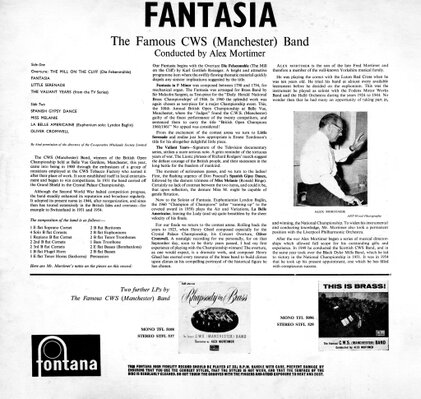
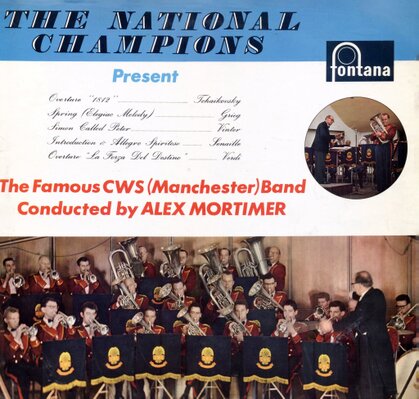
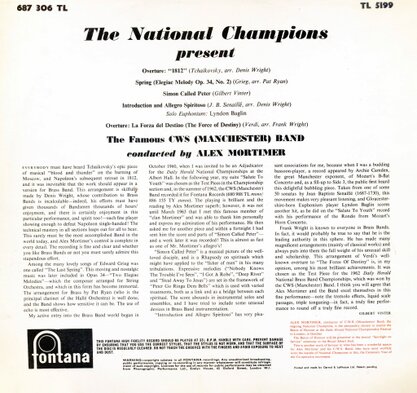
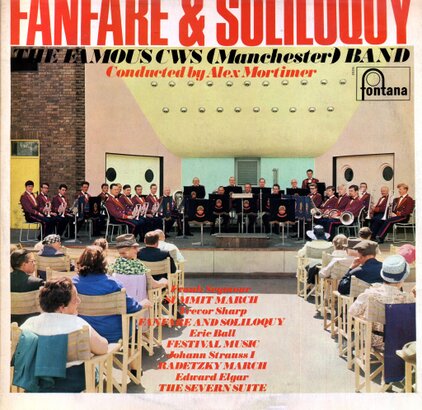
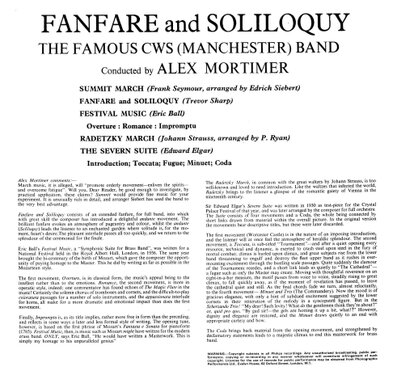
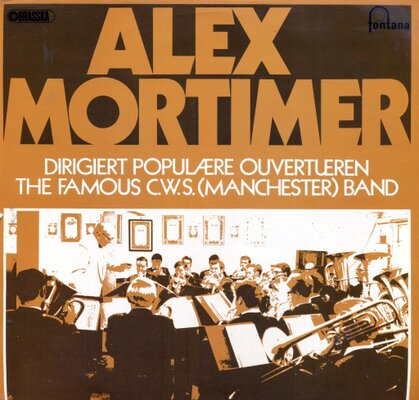
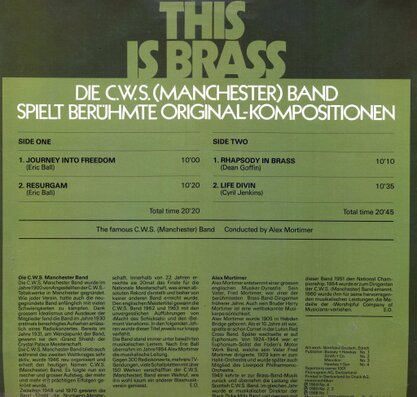
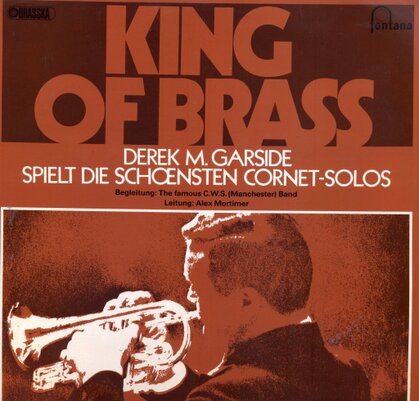
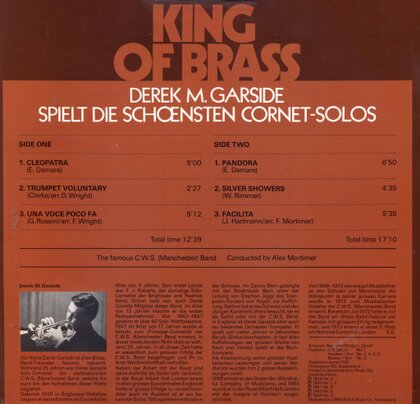
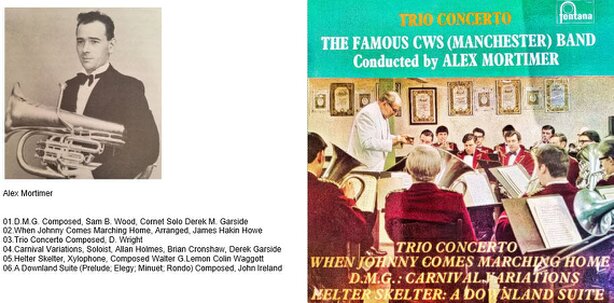
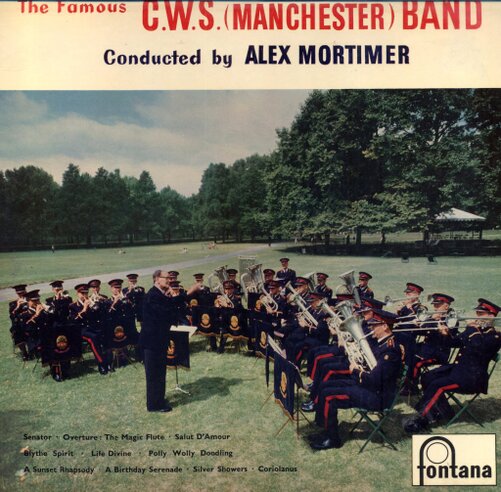
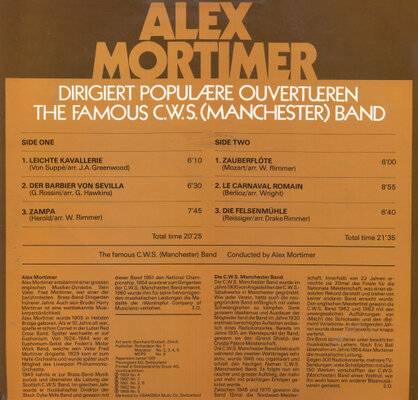
Die Ursprünge der Band gehen auf den September 1901 zurück, als Herr J. C. Cragg, der Manager der CWS Tobacco Factory, auf einer Mittagspause von ein paar Mitarbeitern aufbaute, £ 300 für einige gebrauchte Instrumente aufstaute (die später von wöchentlichen Abonnements zurückgezahlt werden sollten) und sich zum Bandmaster machte.  So entstand die CWS Tobacco Factory Band.  Kurz darauf gab die Band ihr erstes Konzert an einem Montagabend in der Churnett Street Public Hall, Manchester.  In den nächsten 30 Jahren war die Band, wie viele andere, an einer regelmäßigen Runde von Konzerten und Wettbewerben beteiligt, die nichts Spektakuläres auftauchen.   Während dieser Zeit hatten sie drei Sätze von Instrumenten - der zweite Satz war neu und kostete £ 250, wobei das dritte versilberte Set durch die Spieler Bemühungen im Jahr 1927 zu einem Preis von £ 500 gekauft wurde.  Zu dieser Zeit machten die CWS-Direktoren eine jährliche Spende von £ 25.  Fast 30 Jahre nach der Gründung ging die Band bis zum Crystal Palace.  Zu diesem Zeitpunkt führte Johnnie Greenwood sie und gewann nach fünf Wochen und 20 Proben auf Brahms Lyric Suite die Band am Samstag, den 26. September 1931, die Junior 'B' Section und damit den lles Shield.  Eine erste Sendung fand 1934 statt, aber die Band wurde nur in den unteren Abschnitten vor dem Zweiten Weltkrieg nur begrenzt erfolgreich.  1937 wurde die Band in das CWS-Hauptquartier in der Balloon Street, Manchester, verlegt und die Mitgliedschaft für alle Mitarbeiter des CWS Manchester-Gebiets offengelegt.  Zu dieser Zeit wurde es in den Titel umbenannt, der ein bekannter Name wurde – The CWS (Manchester) Band.  Aber das war alles vor dem Krieg und zwischen 1939 und 1945, wie bei allen Bands, gab es weniger Spielmöglichkeiten.  Nach dem Krieg im Jahr 1946 zog das CWS-Management die Band von ihren organisierten Methoden ab, umgestaltete sie mit Spielern aus Baxendales und Brighouse und Rastrick und engagierte Fred Roberts als Bandmeister und Eric Ball als professionellen Dirigenten.  Im folgenden Jahr wurde Derek Garside (aus Brighouse) im Alter von 17 Jahren zum Hauptkornett ernannt und für die nächsten 25 Jahre war die Band eine führende Kraft in der Blaskapellenwelt, beginnend mit diesem Belle Vue-Sieg im Jahr 1948.  So inspirierend Eric Ball auch war, und er beschrieb den Sound der Band „so natürlich wie Sprache“, ein großer Mann hatte lediglich den Grundstein für einen anderen gelegt.  Im Februar 1954 wurde der verstorbene Alex Mortimer zum musikalischen Leiter ernannt.  Geboren 1905 in Hebden Bridge Alex Mortimer, wie seine Brüder Harry und Rex, nahm Brass Banding wie eine Ente ans Wasser.  Im Alter von zehn Jahren spielte er mit dem Luton-Roten Kreuz Kornett und spielte, nachdem er viele andere Instrumente ausprobiert hatte, das Euphonium, als das Luton-Rote Kreuz 1923 die Nationale Meisterschaft im Crystal Palace gewann.  Von 1924 bis 1944 spielte er Euphonium mit Fodens, aber auch mit den Northern Orchestras Halle und BBC.  Er kam zu CWS (Manchester) von Black Dyke, mit dem er 1951 den National gewann.  Alex Mortimer hat eindeutig eine gute Band geerbt.  Fast zwei Jahre vor seiner Ernennung hatten sie unter Eric Ball (1952) zum zweiten Mal den Wettbewerb im September Belle Vue gewonnen und waren in den National Finals 1953 Zweitplatzierte.  Die Zusammenarbeit mit Eric Ball war ein Jack Atherton gewesen, der bei Mortimers Ankunft die Carlton Main Frickley Colliery Band übernahm.  Er wurde geholt, um die Band groß zu machen – er ist erfolgreich!  Mortimer führte die Band 1954 zu einem zweiten Platz in Folge am National und musste sich mit dem zweiten Platz (1956, 1957 und 1961) zufrieden geben, bevor er 1962 CWS zu seiner schönsten Stunde führte, obwohl er 1960 eine weitere Premiere in Belle Vue gewann.  Für diejenigen, die mit der Band nicht vertraut sind, die Folk-Lore bestreiten, gibt es eine Reihe von "Siegen", die in jeder Diskussion über das National seit 1945 auftauchen werden.  Alex Mortimer, CWS (Manchester) und der Sieg über Force of Destiny in der Royal Albert Hall bei den National Finals 1962 ist ein solcher Fall.  Doch dieser berühmte erste nationale Sieg, der 1963 mit den Bliss Belmont Variations wiederholt werden sollte, passierte fast nicht.  Alf Hailstone, der damals Edwin Vaughan Morris in der Royal Albert Hall half, erinnert sich daran, dass „die Band auf der Bühne stand und die Richter die Freigabe für den Beginn der Aufführung gegeben hatten.  Alex hustete sein Herz mit mir direkt von der Bühne aus.  Ich setzte ihn in einen Rollstuhl und rollte ihn an, auf die Keuchen des vollgepackten Publikums.  Er saß auf einem Stuhl, von dem aus er und die Band ihren größten Triumph erzielen sollten.  Sobald es vorbei war, wurde er zu seinem Hotel gebracht, wo der Arzt ihn sofort ins Bett brachte.“  Alf konnte nicht verstehen, wo Alex die Kraft bekommen hatte, solche anstrengenden Höhen zu skalieren.  Und Les Beevers (BBb-Bassis von Brighouse und Rastrick zu dieser Zeit) erinnert sich an die Siegerleistung von 1962, “.....wir waren im Tunnel und warteten darauf, hinter ihnen her zu spielen.  Wir hatten zu Tode Angst, ihnen zuzuhören – sie waren so gut.“  Zu dieser Zeit waren alle Mitglieder der Band CWS-Mitarbeiter, die Mittagsübungen und Tourneen erlaubten, die Wochen dauerten.  So konnten sie, wie andere Werksbands, weitgehend das gleiche Team zusammenhalten.  1963 war ein bedeutsames Jahr nicht nur für die Band, sondern für die kooperative Bewegung, als Ganzes, die ihr hundertjähriges Bestehen feierte.  Die Band spielte prominent und nahm an drei massierten Bandkonzerten unter der Leitung von Alex Mortimer teil, wobei Hanwell Silver und Morris Motors am 3., 4. und 5. April in der Royal Albert Hall stattfanden.  Sie verbrachten auch eine Woche (17. bis 22. Juni) mit Konzerten in Piccadilly Gardens, Manchester, und gaben drei Konzerte in den Winter Gardens, Bournemouth vom 14. bis 16. Oktober zu Ehren der Delegierten des International Co-operative Alliance Congress.  James Scott, Les Beevers und der verstorbene Brian Evans (Ex-Sopran von CWS und Brighouse) betrachten die CWS (Manchester) Band von Anfang 1960 als die beste Band, die sie je hatte.  Und Alex Mortimer war der Schlüssel dazu.  Das sagte der verstorbene Brian Evans: „Jeder hasste ihn, aber sie alle bewunderten ihn – ich denke, er war ein Blasband-Genie.  Ich war zehn Jahre mit der Band dort, drei Proben pro Woche und all die Jobs, die wir gemacht haben, und ich war nie gelangweilt mit Alex Mortimer. "  Ein letztes Wort zu Alex Mortimer von Brian Evans.  "Mortimer war so präzise.  Du musstest jedes Stück richtig spielen.  Es war egal, ob es God Save the Queen oder ein kleiner Topfkessel war.“  Selbst als CWS im strömenden Regen die London Embankment Gardens spielte, mit einer Frau in der ersten Reihe, musste es stimmen!  Alex Mortimer war bis 1970 musikalischer Leiter und bis 1975 musikalischer Berater.  Nach diesen beiden großen nationalen Erfolgen hatte er 1967 eine weitere Sekunde in der Royal Albert Hall und gewann die Open im Jahr zuvor 1966.  Derek Garside übernahm 1972 einen Großteil des Dirigierens, nachdem er 25 Jahre als Hauptkornett gedient hatte und in den National Finals von 1973 Platz gewann, aber die glorreichen Tage waren vorbei.  Die Band ging 1972 mit Black Dyke, Fairey und GUS nach Kanada und qualifizierte sich unter Garsides Leitung für die National Finals 1974 (Zweiter in der Region) und 1975 und 1976 als North West Area Champions.  Sie hatten jedoch keinen Einfluss auf die Finals.  Insgesamt waren sie 13 Mal North West Area Champions und bei 6 Gelegenheiten Zweitplatzierte.  Neben zwei nationalen Siegen und 7 zweiten Platzierungen waren sie bei 9 anderen Gelegenheiten Preisträger.  Bei Belle Vue waren es vier Siege, die 1970 Zweitplatzierte und bei elf weiteren Gelegenheiten Preisträger.  Alex Mortimer starb am 14. Januar 1976.  Am 16. Mai dieses Jahres wurde ein Gedenkkonzert von der CWS (Manchester) Band unter der Leitung von Derek Garside in New Century House, Manchester mit Gästen, dem Rossendale Male Voice Choir, gegeben.  Derek Garside wechselte 1979 zu Fodens Motor Works und wurde von Trevor Walmsley abgelöst, der eine illustre Karriere im Banding hatte, aber hauptsächlich für seinen Erfolg bei den Band of Yorkshire Imperial Metals in Erinnerung ist.  Ihm folgte Kapitän Frank Renton!  Es war Alf Hailstone, der im britischen Bandsman vom 24. November 1984 den Anfang vom Ende bekannt gab.  CWS sollte im Dezember 1984 eine Vorstandssitzung abhalten, und prominent auf der Tagesordnung stand ein Schritt, um das Sponsoring zurückzuziehen.  Dies wurde später bestätigt und der Vorstand würde die Band nach dem 31. März 1985 nicht finanziell unterstützen.  Die Band versuchte, den Vorstand zu überzeugen, seine Meinung zu ändern.  Die Argumentation hatte eine echte Ironie.  Manager hatten nie gemocht, dass Spieler für Jobs usw. verschwanden.  Es scheint jedoch, dass einer der Gründe für den Verlust der Unterstützung darin bestand, dass die Spieler nicht mehr bei CWS gearbeitet haben und der Vorstand einer Organisation, in der eine so wichtige Verbindung durchtrennt wurde, nicht helfen wollte.  Eine weitere Ironie war, dass das Unternehmen gleichzeitig mit der Rücknahme der Unterstützung für die Manchester-Band seine Unterstützung für die CWS (Glasgow) Band erhöhte.  Der letzte Auftritt der CWS (Manchester) Band war am 31. März 1985 im Dobcross Band Club, woraufhin alle Instrumente, Musik und Uniformen an das Unternehmen zurückgegeben wurden.  Die Verhandlungen fanden mit dem City of Manchester Council statt und effektiv wurde eine neue Band namens City of Manchester gegründet.  Das ist jedoch eine andere Geschichte, denn nach 84 Jahren und fast 40 glorreichen Jahren, seit sie 1946 neu organisiert wurde, war die CWS (Manchester) Band nicht mehr.

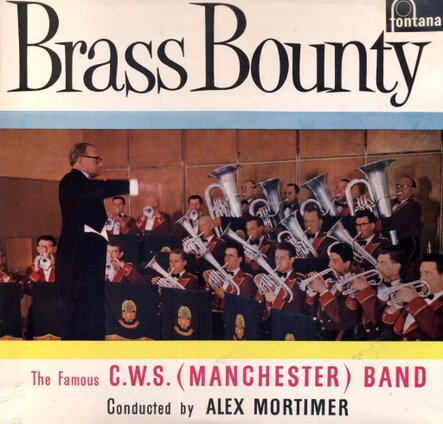
The origins of the band go back to September 1901 when Mr J C Cragg, the manager of the CWS Tobacco Factory, built on some lunch time practice by a few employees, stumped up £300 for some second hand instruments (to be  repaid later by weekly subscriptions) and made himself bandmaster.  Thus the CWS Tobacco Factory Band was born.  Shortly after that the band gave its first concert on a Monday evening in the Churnett Street Public Hall, Manchester.  For the next 30 years the band was, like many others, involved in a regular round of concerts and contests with nothing spectacular arising.   During that time they had three sets of instruments – the second set being new and costing £250, with the third silver plated set being purchased through the players efforts in 1927 at a cost of £500.  At this time the CWS directors were making an annual donation of £25.  Almost 30 years to the day after its formation the band went to the Crystal Palace.  By this time Johnnie Greenwood was leading them and after five weeks and 20 rehearsals on Brahm’s Lyric Suite the band, on Saturday 26 September 1931, won the Junior ‘B’ Section and with it the lles Shield.  A first broadcast occurred in 1934 but truth be told the band only enjoyed limited success in the lower sections before world war two.  In 1937 the band was moved to the CWS HQ in Balloon Street, Manchester and membership thrown open to all CWS Manchester area employees.  At this time it was renamed to the title that became a household name – The CWS (Manchester) Band.  But this was all pre war and between 1939 and 1945, as with all bands, there were fewer opportunities for playing.  After the war in 1946 the CWS management pulled the band away from its committee dominated organised ways, reshaped it with players brought in from Baxendales’s and Brighouse and Rastrick and engaged Fred Roberts as bandmaster and Eric Ball as professional conductor.  The following year Derek Garside (lured from Brighouse) was appointed principal cornet at the age of 17 and for the next 25 years the band was a leading force in the brass band world starting with that Belle Vue win in 1948.  Inspirational as Eric Ball was, and he described the band’s sound “as natural as speech”, one great man had merely laid the foundation for another.  In February 1954 the late Alex Mortimer was appointed musical director.  Born in Hebden Bridge in 1905 Alex Mortimer, like his brothers Harry and Rex, took to brass banding like a duck takes to water.  At the age of ten he was playing cornet with Luton Red Cross and, after trying many other instruments, he played the euphonium when Luton Red Cross won the National Championship at the Crystal Palace in 1923.  From 1924 to 1944 he played euphonium with Fodens, and also with the Halle and BBC Northern Orchestras.  He came to CWS (Manchester) from Black Dyke with whom he won the National in 1951.  Alex Mortimer clearly inherited a good band.  Nearly two years before his appointment they had won the September Belle Vue contest for the second time under Eric Ball (1952) and been runners up in the 1953 National Finals.  Working with Eric Ball had been one Jack Atherton who left on Mortimer’s arrival to take over the Carlton Main Frickley Colliery Band.  He was brought in to make the band great – he succeeded!  Mortimer led the band to a second successive runners up spot at the National in 1954 and had to be content with the second place three more times (1956, 1957 and 1961) before leading CWS to its finest hour in 1962, although he picked up another first at Belle Vue in 1960.  For those unfamiliar with band contesting folk-lore there are a number of ‘wins’ that will come up in any discussion on the National since 1945.  Alex Mortimer, CWS (Manchester) and victory on Force of Destiny at the Royal Albert Hall at the National Finals in 1962 is one such case.  Yet this famous first National victory, to be repeated again in 1963 with the Bliss Belmont Variations, nearly didn’t happen.  Alf Hailstone, who helped Edwin Vaughan Morris ‘back-stage’ at the Royal Albert Hall in those days recalls that “the band was on stage and the judges had given clearance for the performance to begin.  Alex was coughing his heart out with me just off stage.  I put him in a wheelchair and wheeled him on, to the gasps of the packed audience.  He sat in a chair from which he and the band were to score their greatest triumph.  As soon as it was over he was rushed to his hotel where the doctor confined him to bed immediately”.  Alf could not understand where Alex had got the strength to scale such strenuous heights.  And Les Beevers (BBb bass of Brighouse and Rastrick at that time) recalls that winning performance of 1962, “…..we were in the tunnel waiting to play after them.  We were frightened to death listening to them – they were so good”.  At this time all the members of the band were CWS employees who allowed lunchtime practices and tours lasting weeks at a time.  Thus, like other works bands, they could largely keep the same team together.  1963 was a momentous year not just for the band but for the co-operative movement, as a whole which celebrated its centenary.  The band featured prominently, taking part in three massed band concerts, led by Alex Mortimer, with Hanwell Silver and Morris Motors in the Royal Albert Hall on 3, 4 and 5 April.  They also spent a week (17-22 June) giving concerts in Piccadilly Gardens, Manchester and performed three concerts in the Winter Gardens, Bournemouth from 14-16 October in honour of delegates to the International Co-operative Alliance Congress.  James Scott, Les Beevers and the late Brian Evans (ex-soprano of CWS and Brighouse) all consider the early 1960’s CWS (Manchester) Band as the best band it ever had.  And Alex Mortimer was the key to that.  This is what the late Brian Evans said, “Everyone hated him, but they all admired him – I think he was a brass band genius.  I was there with the band for ten years, three rehearsals a week, and all the jobs we did and I was never bored with Alex Mortimer”.  A final word on Alex Mortimer from Brian Evans.  “Mortimer was so precise.  You had to play every piece right.  It didn’t matter if it was God Save the Queen or some little pot boiler”.  Even when CWS played the London Embankment Gardens in the pouring rain, with one woman on the front row, it had to be right!  Alex Mortimer was musical director until 1970 and musical adviser until 1975.  After those two great national successes he had another second at the Royal Albert Hall in 1967 and won the Open the year before in 1966.  Derek Garside took over much of the conducting in 1972 having served 25 years as principal cornet and gained runners up spot in the National Finals of 1973 but the glory days were over.  The band went to Canada in 1972 with Black Dyke, Fairey and GUS and qualified under Garside’s direction for the National Finals in 1974 (second at the area) and in 1975 and 1976 as North West Area Champions.  However, they made no impact at the Finals.  In total they were North West Area Champions 13 times and runners up on 6 occasions.  As well as two National victories and 7 second placings they were prize winners on 9 other occasions.  At Belle Vue it was four victories, runners up in 1970 and prize winners on eleven other occasions.  Alex Mortimer died on 14 January 1976.  On 16 May that year a memorial concert was given by CWS (Manchester) Band conducted by Derek Garside in New Century House, Manchester with guests, the Rossendale Male Voice Choir.  Derek Garside moved onto Fodens Motor Works in 1979 and was succeeded by Trevor Walmsley, who had an illustrious career in banding but is chiefly remembered for his success with the Band of Yorkshire Imperial Metals.  He was followed by on Captain Frank Renton!  It was Alf Hailstone who, in the British Bandsman of 24 November 1984, announced the beginning of the end.  CWS were to hold a board meeting in December 1984 and prominent on the agenda was a move to withdraw sponsorship.  This was later confirmed and that the board would not financially support the band after 31 March 1985.  Attempts were made by the band to persuade the board to change its mind.  The reasoning had a real irony to it.  Managers had never liked players disappearing for jobs etc.  However, it seems that one of the reasons for the loss of support was that the players no longer worked at CWS and the board did not wish to help an organisation where such an important link had been severed.  A further irony was that at the same time as withdrawing support for the Manchester band the company increased its support for the CWS (Glasgow) Band.  The last appearance of the CWS (Manchester) Band was at Dobcross Band Club on 31 March 1985 following which all instruments, music and uniforms were handed back to the company.  Negotiations took place with the City of Manchester Council and, effectively, a new band was formed called City of Manchester.  That however is another story because after 84 years and almost 40 glorious years since it was reorganised in 1946 the CWS (Manchester) Band was no more.


Serge Schmid
Oberstrasse 25
CH-3550 Langnau
+41 (0) 34 402 67 33
sergeschmid@gmx.ch

Copyright © 2026. All Rights Reserved.
Webdesign by Serge Schmid


Zurück zum Seiteninhalt